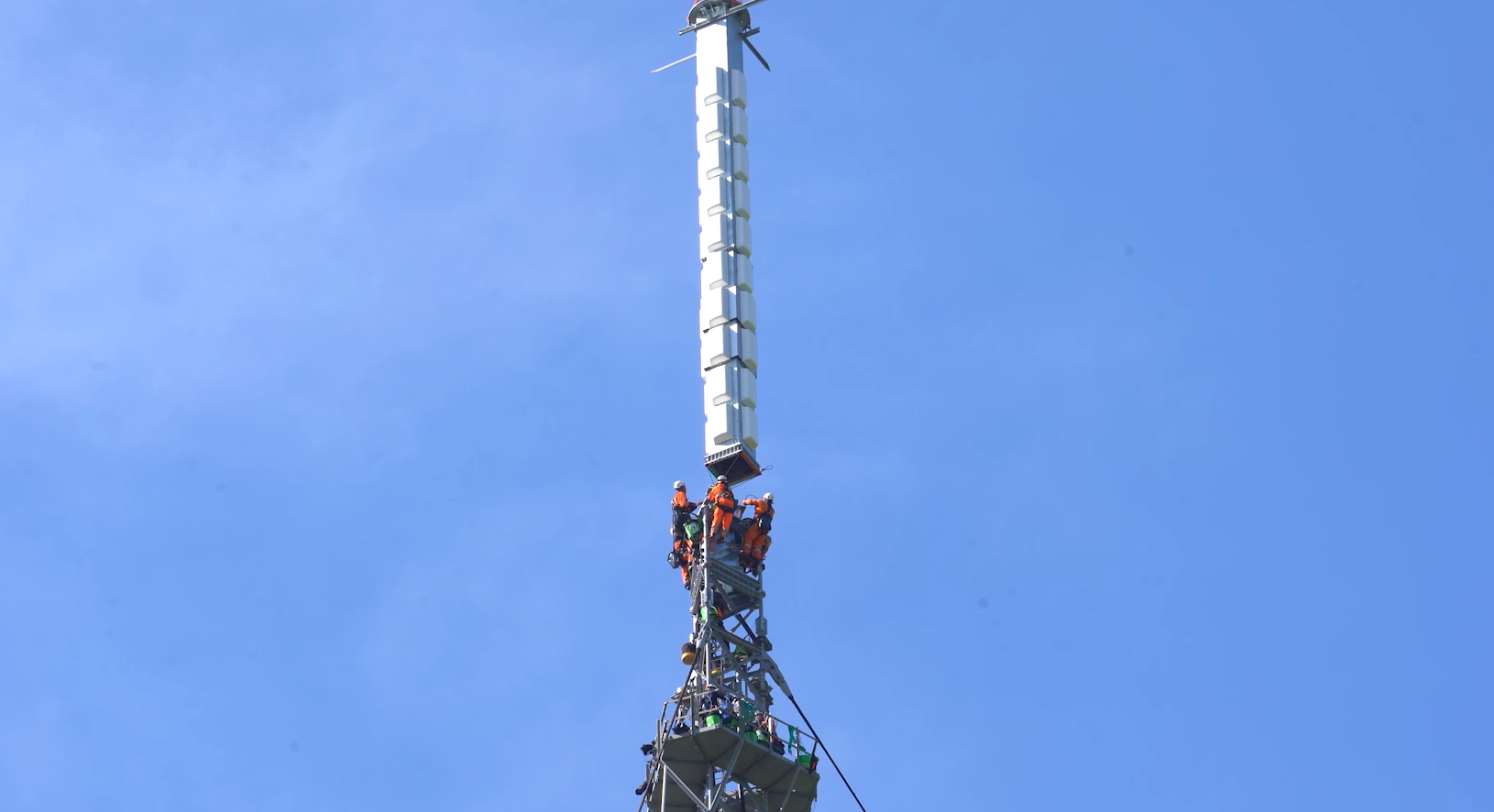
We provide a trusted alternative to GPS, maintaining operational accuracy and coordination even when satellite signals are disrupted or compromised.
Positioning, navigation and timing are fundamental to modern operations, but reliance on GPS creates risk.
We enable resilient, terrestrial PNT capabilities that maintain accuracy, synchronisation and control when satellite signals are unavailable or compromised.
.jpg)
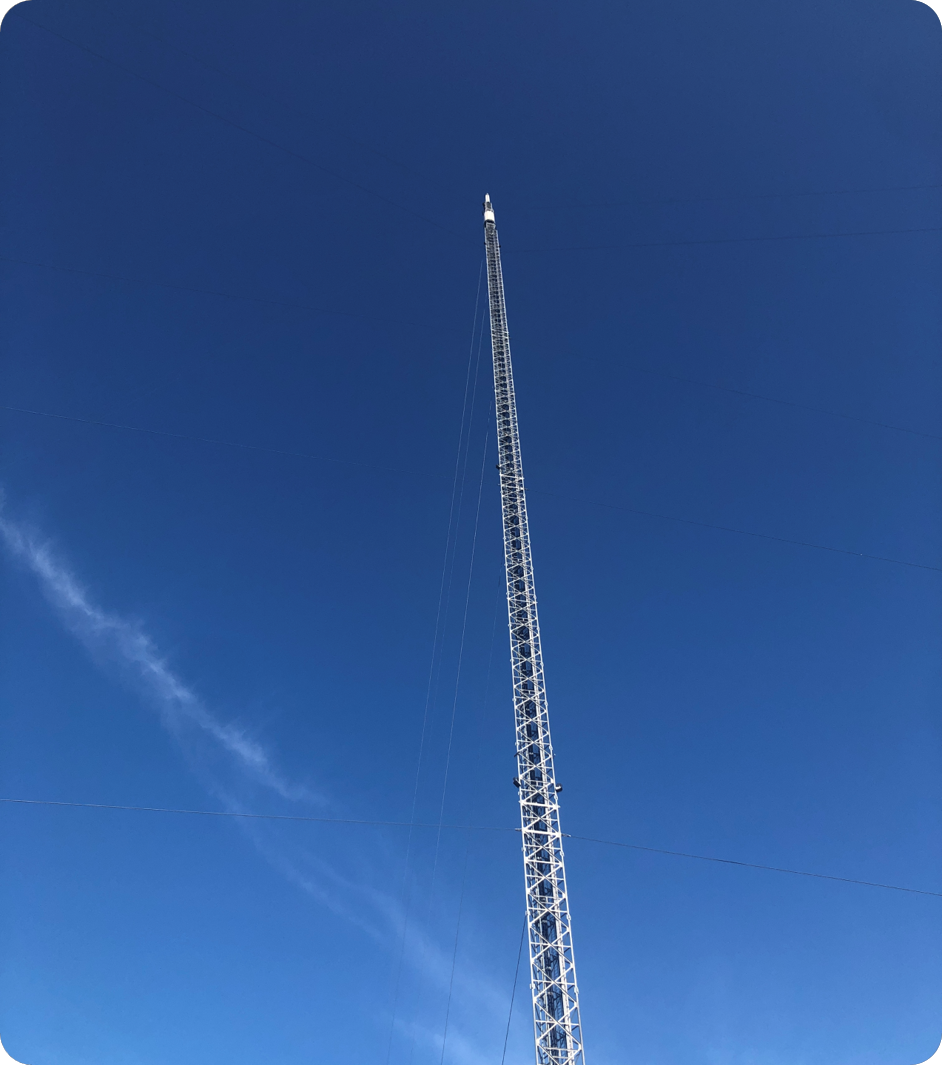
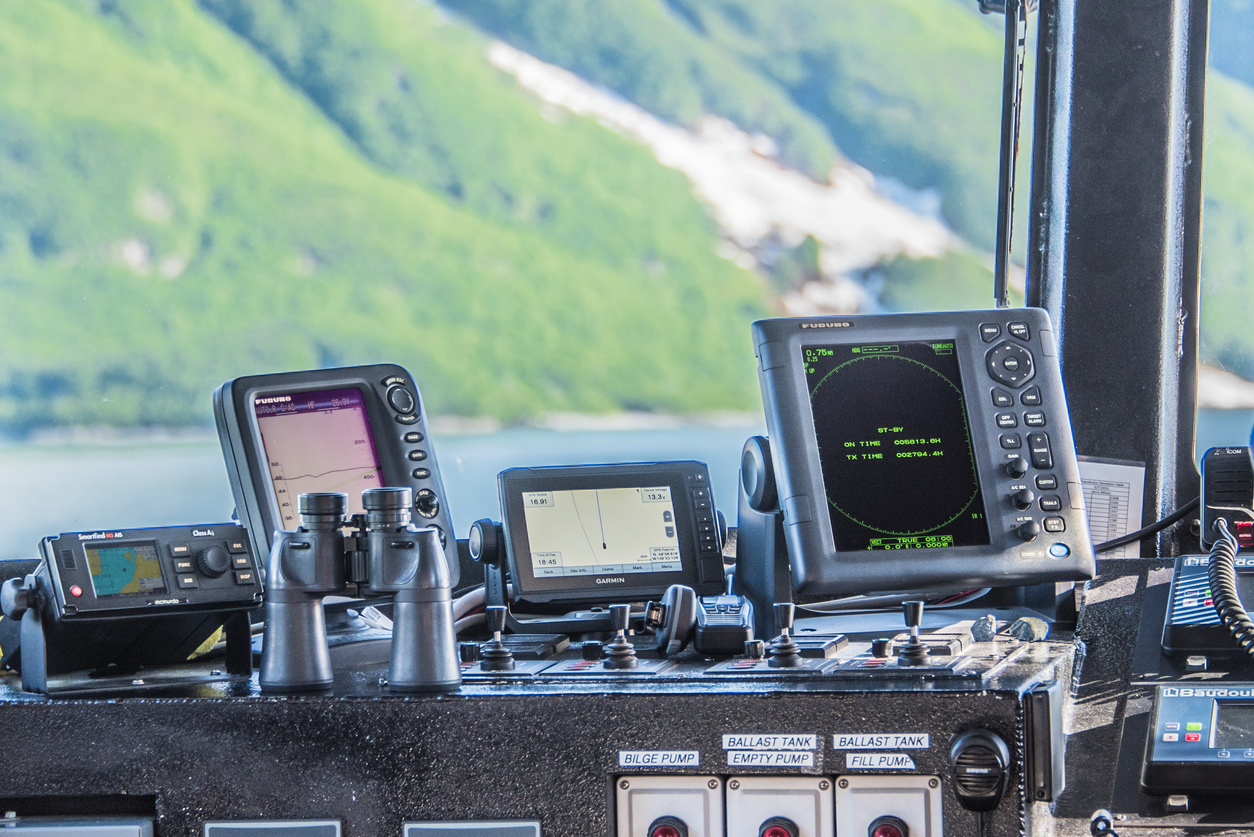
eLoran is a terrestrial radio-based positioning and timing technology designed to complement satellite navigation systems. Operating independently of GNSS, it can help maintain critical timing and positioning services during periods of disruption or interference.
Potential applications

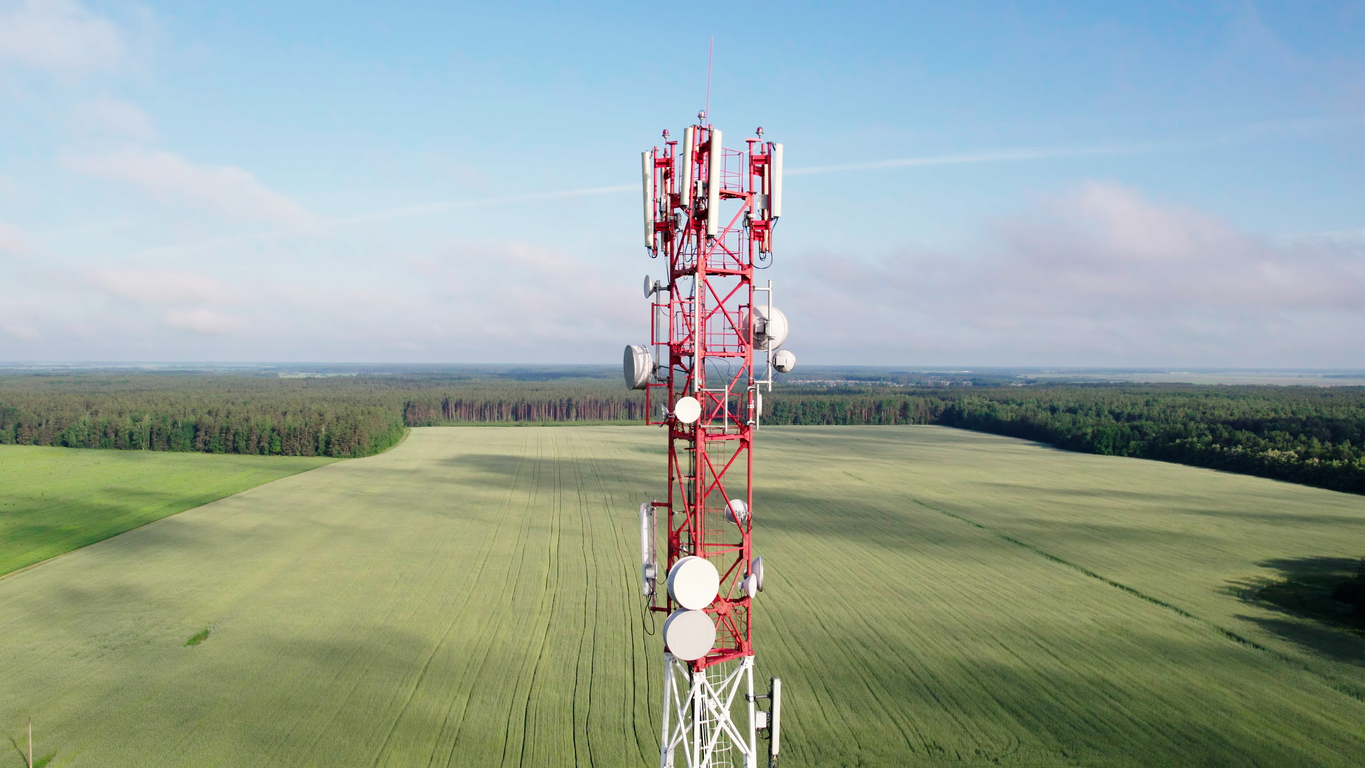
Digital Terrestrial Television (DTT) and Digital Audio Broadcasting (DAB) networks are able to support resilient timing and PNT capabilities through the infrastructure already deployed across the UK.
With decades of experience operating national broadcast infrastructure, Arqiva brings the infrastructure, engineering expertise and operational capability required to support resilient timing and synchronisation services.
Potential applications

The UK's MSF time signal provides a trusted source of time information for a wide range of applications and devices.
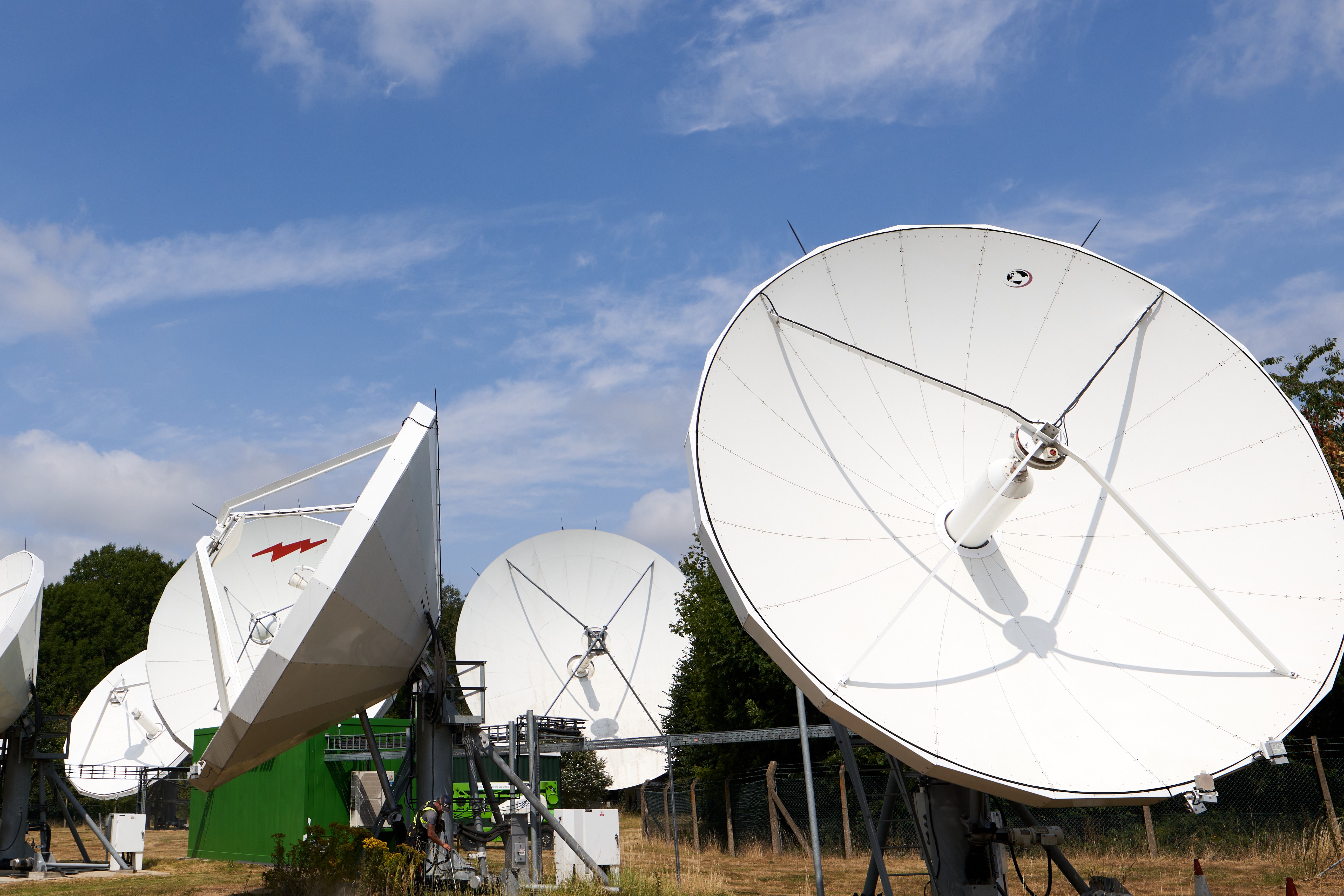
With extensive experience operating and maintaining long-wave transmission infrastructure that supports critical national services, Arqiva has the infrastructure expertise, operational capability and secure environments required to support resilient and sovereign timing services.
Potential applications

Ensure critical services continue to operate when GPS or other GNSS signals are disrupted, degraded or unavailable.
Reduce reliance on a single source of positioning and timing by introducing trusted terrestrial alternatives and complementary technologies.
Support accurate positioning, navigation and synchronisation across complex operational environments.
Provide trusted timing and positioning data that organisations can depend on when accuracy, coordination and confidence are essential.
Help build resilient UK-based infrastructure and services that strengthen national capability and reduce dependency on external systems.
Strengthen resilience against GNSS jamming, spoofing and interference by introducing trusted alternative timing and positioning sources.
Most people never see my team’s work.
They see the programme on air. The service running. The data arriving where it should. The customer experience working as expected.
What they don't see are the risks that have been anticipated, the vulnerabilities that have been addressed, the threats that have been monitored, or the countless decisions made to keep critical services secure and resilient.
For me, that is what critical means.
Not creating something visible, but protecting something valuable.
The challenge facing organisations today is that the systems we rely on are becoming more connected, more pervasive and more complex. Broadcasters are managing increasingly sophisticated content delivery chains. Utilities are connecting more assets, more data and more operational technology. All while new technologies such as AI changing the game and creating exciting opportunities while also introducing new risks.
In that environment, resilience cannot be treated as a specialist concern. It has become a business priority.
At Arqiva, we operate services that millions of people depend on every day. We help deliver television and radio services through around 1,450 broadcast sites reaching approximately 98.5% of the UK population. We support smart utility networks serving more than 4 million customers across the North of England and Scotland. When services operate at this scale, resilience, assurance and security are not optional extras. They are fundamental to maintaining services running.
Much of our work is focused on preparing for situations we hope never occur. We build resilience against cyber incidents, reduce operational risk, and strengthen test our ability to recover from disruption when it happens. This includes anticipating how emerging technologies may reshape the threat landscape, challenging assumptions before they become vulnerabilities, and enhancing resilience. Ultimately, our goal is to ensure the organisation can continue to operate effectively, regardless of the challenges it faces.
The reality is that success in information security is often invisible.
We don’t expect customers to celebrate the incident that never happened. Notices the disruption that was avoided. Sees the problem that was identified and resolved before it affected the service.
But that work matters.
Because every broadcaster, utility and critical infrastructure operator depends on confidence that the services they rely on will continue to perform when they are needed most.
That confidence is built long before a crisis occurs.
For me, that is what critical means. Doing the work nobody sees, so customers can focus on the work that matters to them.
It's why our new brand resonates so strongly with me.
Built for What's Critical isn't just about the services we deliver. It's about the responsibility we have always carried behind the scenes, to protect them. The resilience we build before it's needed. The risks we help customers navigate before they become problems.
Because when you're built for what's critical, success isn't measured by what people notice. It's measured by what never goes wrong.