What critical means in a world of constant cyber risk
Most people never see my team’s work.
They see the programme on air. The service running. The data arriving where it should. The customer experience working as expected.
What they don't see are the risks that have been anticipated, the vulnerabilities that have been addressed, the threats that have been monitored, or the countless decisions made to keep critical services secure and resilient.
For me, that is what critical means.
Not creating something visible, but protecting something valuable.
The challenge facing organisations today is that the systems we rely on are becoming more connected, more pervasive and more complex. Broadcasters are managing increasingly sophisticated content delivery chains. Utilities are connecting more assets, more data and more operational technology. All while new technologies such as AI changing the game and creating exciting opportunities while also introducing new risks.
In that environment, resilience cannot be treated as a specialist concern. It has become a business priority.
At Arqiva, we operate services that millions of people depend on every day. We help deliver television and radio services through around 1,450 broadcast sites reaching approximately 98.5% of the UK population. We support smart utility networks serving more than 4 million customers across the North of England and Scotland. When services operate at this scale, resilience, assurance and security are not optional extras. They are fundamental to maintaining services running.
Much of our work is focused on preparing for situations we hope never occur. We build resilience against cyber incidents, reduce operational risk, and strengthen test our ability to recover from disruption when it happens. This includes anticipating how emerging technologies may reshape the threat landscape, challenging assumptions before they become vulnerabilities, and enhancing resilience. Ultimately, our goal is to ensure the organisation can continue to operate effectively, regardless of the challenges it faces.
The reality is that success in information security is often invisible.
We don’t expect customers to celebrate the incident that never happened. Notices the disruption that was avoided. Sees the problem that was identified and resolved before it affected the service.
But that work matters.
Because every broadcaster, utility and critical infrastructure operator depends on confidence that the services they rely on will continue to perform when they are needed most.
That confidence is built long before a crisis occurs.
For me, that is what critical means. Doing the work nobody sees, so customers can focus on the work that matters to them.
It's why our new brand resonates so strongly with me.
Built for What's Critical isn't just about the services we deliver. It's about the responsibility we have always carried behind the scenes, to protect them. The resilience we build before it's needed. The risks we help customers navigate before they become problems.
Because when you're built for what's critical, success isn't measured by what people notice. It's measured by what never goes wrong.
What critical means in the age of smarter utilities
Most of us rarely think about the services that underpin daily life.
We expect clean water to flow when we turn on a tap. We expect energy to power our homes and businesses. We expect the networks behind these services to work, every day.
For me, that's what critical means. Not simply keeping services running.
Protecting the resources society depends on.
Utilities are facing some of the biggest challenges in their history. Networks are under pressure. Customer expectations are rising. Resources are becoming more precious. At the same time, the transition to lower-carbon energy systems is creating new demands on critical infrastructure. Across water and energy, operators are being asked to do more with greater visibility, efficiency, resilience and sustainability.
That's why I believe the future of utilities is about intelligence. The ability to understand what is happening across a network, identify issues sooner and make better decisions.
At Arqiva, we're fortunate to work in industries where technology can have a meaningful impact.
Across the utilities sector, we help connect and support smart infrastructure that gives operators greater visibility of their networks. Today, Arqiva supports more than seven million connected smart meters, providing customers with the insight needed to act faster and make better decisions.
Through smart metering, managed sensors, managed connectivity, and water intelligence capabilities, we're helping customers identify issues earlier, reduce water loss and improve operational efficiency through smarter, data-driven operations. In fact, the infrastructure we support helps save more than 120 million litres of water every day, while enabling the identification of over 700,000 customer leaks, helping water companies protect one of our most precious resources.
The same need for visibility exists across energy networks. As more renewable energy comes online and consumers adopt technologies such as electric vehicles and heat pumps, network operators are managing increasingly complex systems. Supporting this transition requires trusted infrastructure, secure connectivity and reliable data that help keep networks safe, resilient and ready for a lower-carbon future.
Through our work supporting the Data Communications Company (DCC) network and helping connect Britain's smart energy ecosystem, Arqiva plays a role in enabling consumers to better understand and manage their energy use, while helping the wider industry deliver progress towards decarbonisation goals.
Whether we're supporting water companies or energy providers, the challenge is increasingly the same: helping operators turning greater understanding into action.
The future of utilities isn't simply about collecting more data. It's about turning that data into action through greater network intelligence and predictive operations. Helping operators find problems sooner. Helping protect precious resources. Helping optimise investment decisions. And helping create infrastructure that is more efficient and more resilient.
Responsibility also extends beyond the services we help deliver.
This year, Arqiva joined the United Nations Global Compact, reinforcing our commitment to responsible business practices, environmental stewardship and ethical leadership. As we continue to support the critical services people rely on every day, we're proud to align our business with the world's largest corporate sustainability initiative.
For me, that commitment isn't about making a statement. It's about recognising that organisations like ours have a responsibility to think beyond the next project, the next contract or the next commercial outcome.
We have a responsibility to the communities we serve. To the resources we help protect. And to the generations that will inherit the infrastructure decisions we make today.
That's why our new brand resonates so strongly with me.
Built for What's Critical isn't only about keeping essential services running. It's about helping customers protect the services that matter most, whether that's safeguarding precious water resources, enabling the transition to a lower-carbon energy system or ensuring the resilience of the infrastructure society depends on every day.
Because when you're built for what's critical, success isn't measured only by what you deliver today. It's measured by the difference you help create for tomorrow.
To learn more about how we support Utility companies with critical infrastructure and connectivity solutions, visit our Utilities page: www.arqiva.com/utilities

Why TV Still Wins: Trust, Reach and the Rise of Addressable Advertising
In this session, we’ll explore how addressable advertising is becoming a key strategic lever in the evolution of TV, helping broadcasters and sales houses unlock greater relevance, value and commercial resilience, without sacrificing the reach, trust and quality that make terrestrial TV so effective.

The Future of Playout in Europe
Join Arqiva’s experts Vikie, Alaina and Stuart, to discover how European broadcasters are simplifying operations with hybrid cloud architectures, IP-based workflows, FAST channels, AI-driven automation, and flexible operational control.

How Broadcasters Strengthen Security, Confidence, and Continuity
Join experts who have experienced the real-world impact of operational interruptions and the organisational pressure that comes with them. In this session, we’ll explore the common blockers that hold broadcasters back from strengthening resilience and explore the real risks created by disruption, not just technically, but commercially and reputationally.
Five questions to ask your Playout provider
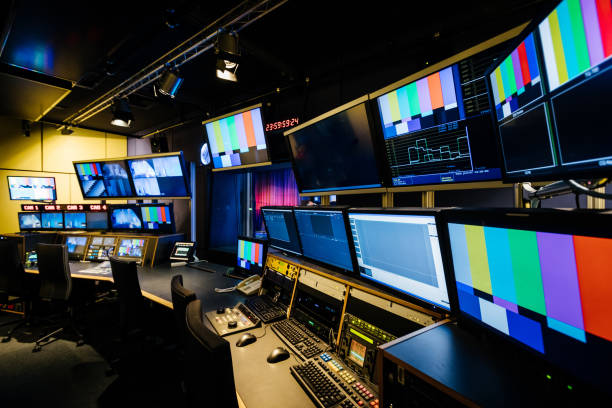
Choosing a playout provider is one of the most important decisions a media business can make. The right partner can accelerate growth, increase operational flexibility and help you scale efficiently. The wrong choice can create complexity, lock-in and unnecessary cost. This guide provides a structured framework to evaluate providers across five critical areas.
Open monitoring for water: peril and possibility
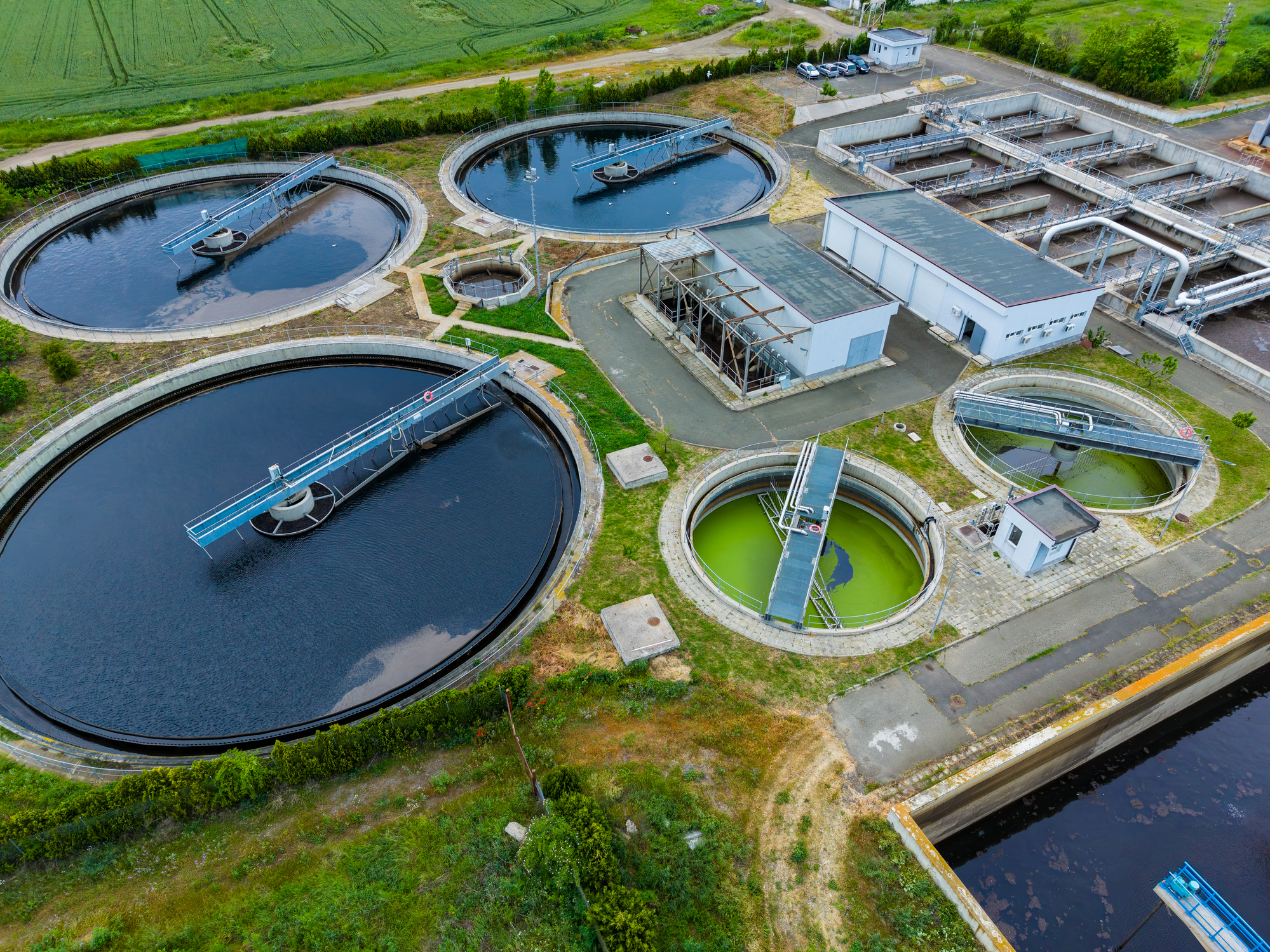
Open monitoring for water: peril and possibility Public trust in water companies is at a historic low, driven by environmental concerns, rising bills, and increased scrutiny.At the same time, regulators and government are pushing for a fundamental shift toward open monitoring, a new model of near real-time, publicly accessible environmental and operational data.This exclusive report explores what that transformation really means for the water sector. Get the report Get the report Based on research conducted between January and May 2026, this report combines: Contributions from 40+ senior water sector stakeholders Quantitative and qualitative analysis of current capabilities and challenges Interviews with utilities, regulators and industry experts What's inside the report Why open monitoring is becoming essential The regulatory, environmental and public pressures reshaping the sector. What’s next after operator self-monitoring Why legacy approaches are no longer enough, and what comes next. How open monitoring can be successfully implemented From sensor networks and data infrastructure to governance and standards. How open monitoring can be successfully implemented From sensor networks and data infrastructure to governance and standards. What success looks like How transparency, done right, can rebuild trust and improve environmental outcomes. Some snapshots from the report 35% of customers are satisfied with environmental protection efforts 1 in 5 water companies have full network visibility 7 in 10 water companies see monitoring reform as key to rebuilding trust About this report This report is produced by Utility Week Intelligence, in partnership with Arqiva, and is based on independent research across the UK water sector.
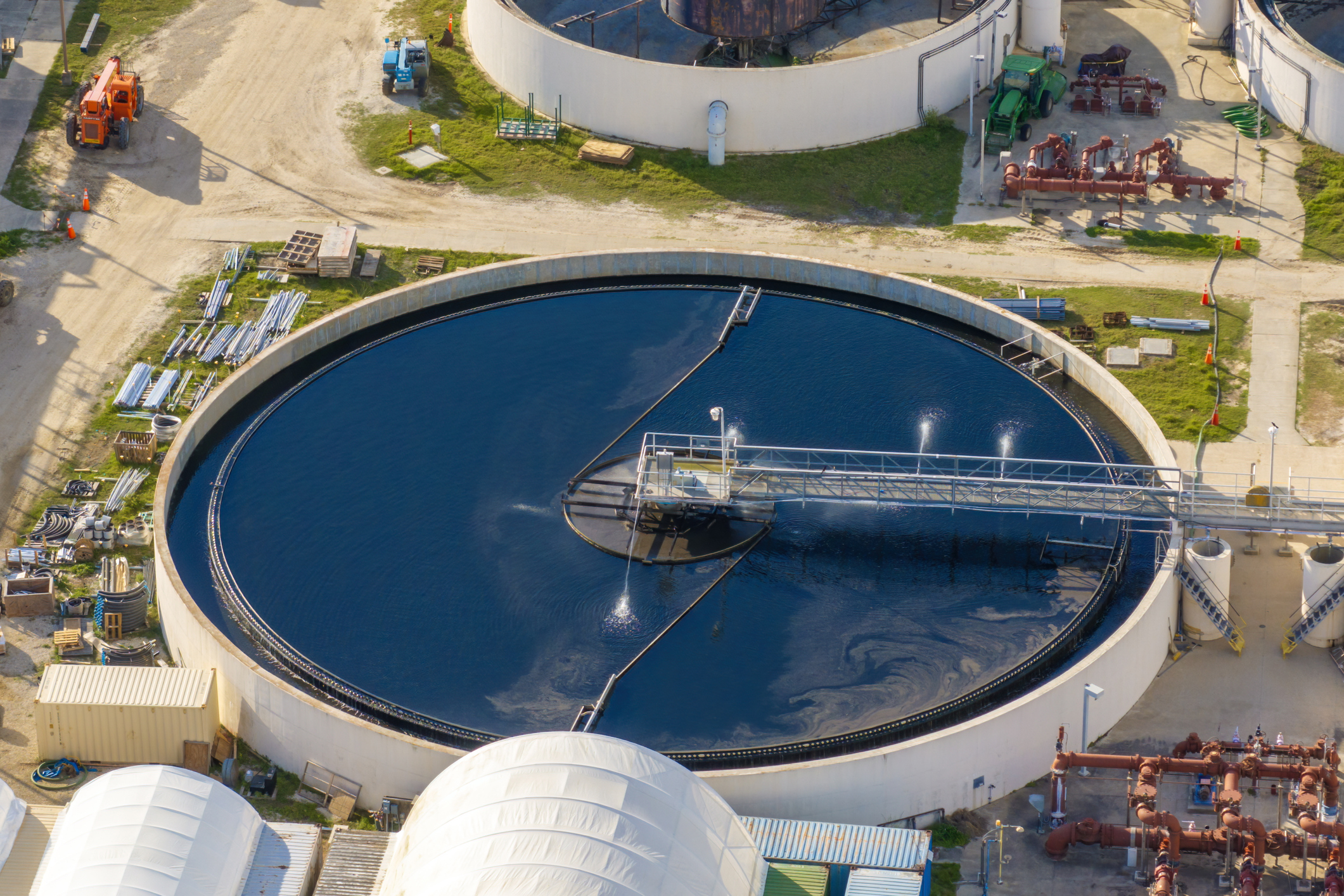
From targets to trust: A digital confidence blueprint for UK water utilities
From targets to trust: A digital confidence blueprint for UK water utilities Download the report to see how trusted digital data cuts operational costs, from fewer site visits to reduced manual workflows. Get the report Get the report What's inside the report The new regulatory reality Why AMP8 is a proof economy, continuous monitoring, auditability, and defensible data tied to ODIs/PCDs; sharper scrutiny on leakage and storm overflows. Beyond the meter Smart metering becomes transformational when combined with pressure, sewer level, and water quality sensing on a single backbone. The digital confidence model Move from trusted data to actionable insights, to assured outcomes for customers, regulators, and the public. The Anglian Water story How Anglian Water benefits from 150 million+ validated data reads per day that can support faster leak detection, enabling earlier targeting and reducing costly site investigations. “Now we’re working with actual data rather than estimates. We can more clearly understand where and why figures diverge from our original assumptions.” Doug Spencer Head of Smart Metering, Anglian Water Anglian Water Outcomes 1.5m Smart water meters 150m+ validated data reads per day 577k+ customer‑side continuous flows 700k+ customer leaks detected 23megalitres of water per day reduction in distribution output 100% Evidence‑backed reporting

Discover the roadmap to smart water metering readiness
Discover the roadmap to smart water metering readiness As the UK water industry gears up for its largest investment programme yet, readiness for smart water metering is critical. Your approach to AMI will shape key decisions, from supplier selection to technology adoption and strategic spending. Get the report Get the report While every water company’s smart water metering journey is unique, as an industry we’re all striving for the same goal: leveraging real-time data to revolutionise water usage, boost operational efficiency, and enhance customer satisfaction. Our latest whitepaper invites you to chart your progress today and your path into the future. Discover your position on the smart water metering readiness roadmap and learn how to excel at every journey stage. Download the whitepaper to discover how to: Deliver at scale Optimise rollout efficiency to hit ODI targets within budget. Maximise visibility Improve network reliability and prioritise data accuracy. Accelerate change Capitalise on AMI investments to drive new use cases and operational transformation. Turn data into action Use near real-time insights to detect leaks faster, optimise network performance, and enable proactive decision-making.

Connectivity for smart utilities: changing needs fuelling concern
Connectivity for smart utilities: changing needs fuelling concern As decarbonisation, climate resilience, and rapid technological advancements accelerate, is your organisation ready to meet the rising demands for connectivity? Get the report Get the report Based on an industry-wide survey and expert interviews, our latest report reveals how UK utility leaders see connectivity infrastructure rising to the challenges of a rapidly changing industry. Featuring exclusive insights from UK Power Networks, SSEN, Anglian Water, South East Water, and more, the report highlights connectivity’s vital role in digitalisation, net-zero transitions, and smart operations—while exposing utility leaders’ widespread lack of confidence in preparing infrastructure for future demands. Download the free report to discover: The new regulatory reality Why 85% of leaders believe that managing communications and connectivity across utility infrastructure networks will become increasingly complex in the years ahead. Beyond the meter Why only 55% of utility companies currently feel confident in understanding their future connectivity needs. The digital confidence model Why nearly half of industry experts (49%) express concerns over whether their companies have the necessary expertise and resources to tackle future connectivity challenges effectively. The Anglian Water story How market changes, rising security concerns, and regulatory shifts are impacting connectivity decisions.

Streaming Smarter
Streaming Smarter Content delivery networks are nearing a breaking point. But there are smarter, more scalable ways to move forward. Our latest report reveals how media leaders are solving the biggest challenges in streaming. Get the whitepaper Get the whitepaper Create Streaming Profitability Scale audiences and viewing hours without delivery costs rising at the same rate. New Revenue Opportunities Support personalised advertising and premium viewer experiences without compromising performance. Deliver Reliable Viewing at Scale Reduce outages, improve QoE, and confidently handle peak live audiences. “The challenges of content delivery will not be solved by a single technology. Instead, they will be best addressed with a layered approach: one that blends cutting-edge innovations like AI-powered optimisation, P2P networking, and edge computing with strategic improvements in encoding, supply chain management, and infrastructure design." Get the whitepaper Get the whitepaper
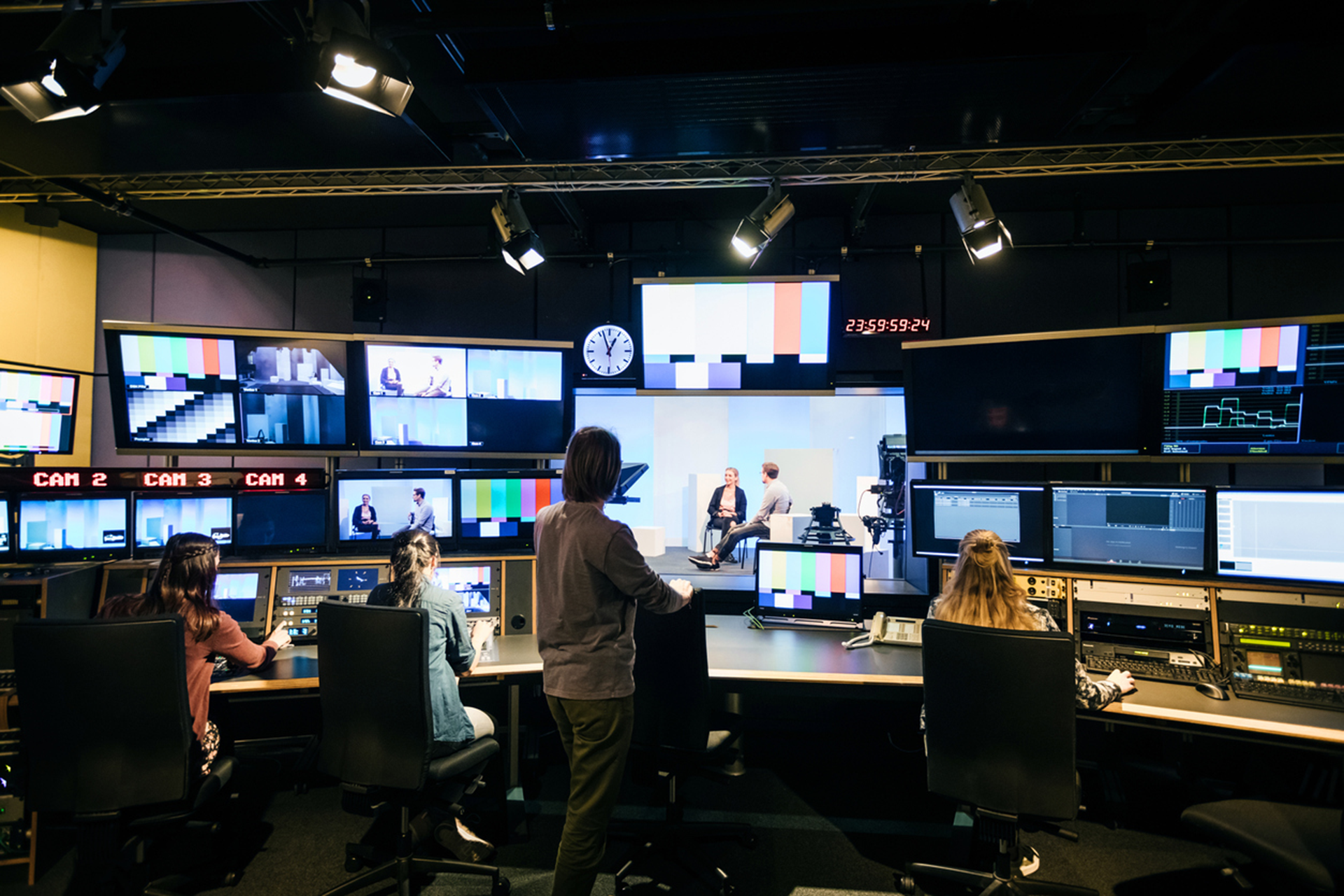
Playout at the speed of business
Playout at the speed of business Broadcasters and content owners are under pressure to launch services faster and respond while audience demand still exists. This paper explores why playout is becoming central to commercial performance and why delivery models built for a slower market are becoming harder to sustain. Get the whitepaper Get the whitepaper Accelerate Time-to-Market Bring new channels and services to audiences faster. Scale with Demand Adapt services quickly without repeated rebuilds. Drive Profitable Growth Align costs to demand while capturing new revenue opportunities. Playout is no longer just about reliability. It is about how quickly you can turn decisions into live services. As FAST channels, digital first models and changing audience behaviours reshape the media landscape, broadcasters and content owners need the agility to launch, adapt and scale services in real time. This whitepaper explores why traditional playout models are struggling to keep pace, and how a cloud native managed approach can simplify delivery, reduce operational overhead and align cost with demand without compromising broadcast grade performance. Discover how leading organisations are rethinking playout to stay competitive, unlock new revenue opportunities and move at the speed the market now demands. Get the whitepaper Get the whitepaper

Tackling Leakage through Machine Learning
This virtual event explored how machine learning augments traditional rules-based methods for customer-side water leakage detection. Rules work well for standard households (e.g., nighttime flow alerts) but struggle with non-standard usage and non-household properties, where intermittent, low-volume, or continuous processes obscure leaks. Watch on-demand here Watch on-demand here Tackling Leakage through Machine Learning Machine learning learns patterns from data—via supervised and unsupervised approaches—to detect nuanced, meter-specific anomalies, adapt to changing behavior, and reduce noise, making it effective for the “hard 20%” that consumes 80% of effort. The recommended model is complementary: use rules to clear simple cases at scale, then apply ML to exceptions for higher accuracy and targeting. Success depends on data quality, scalable engineering for millions of meters, and a closed feedback loop to validate outcomes, retrain, and maintain performance. While ML has higher compute costs, it unlocks savings through increased leak recovery, regulatory gains, and operational efficiency, with single-tool integration improving prioritization and reporting. Data privacy must be addressed through appropriate system design and governance. Get the whitepaper Get the whitepaper Speakers Jason King, Business Development Manager, Arqiva Stephanie Edmonson, Senior Product Manager, Arqiva Jack Kilvington, Head of Data Science, Arqiva Key takeaways 1. Rules Remain Reliable: Rules-based leakage detection remains effective for standard households (e.g., 2–4 a.m. no-flow rules) but struggles with non-standard usage such as industrial sites, high-use properties, and intermittent low-volume leaks. 2. Machine Learning Augments: Machine learning complements rules by learning patterns from data (supervised and unsupervised) to identify subtle and edge-case leaks that rules miss, enabling targeted, higher-value interventions. 3. Hybrid Strategy Wins: A hybrid approach is recommended: use rules to efficiently clear straightforward cases and apply ML to the 20% of meters that consume 80% of operational effort and often drive disproportionate leakage volumes. 4. Data-Driven Deployment: Successful ML deployment requires robust data quality, scalable engineering to handle millions of meters, and a closed feedback loop (verification, retraining, performance monitoring) to maintain real-world accuracy. 5. Cost-Saving Intelligence: While ML adds compute cost versus rules-based methods, it unlocks savings via earlier detection in complex scenarios, supporting regulatory performance and reducing water production, abstraction, and associated emissions. "It doesn’t have to be an either or; rules based with machine learning works really well to scale across the entire estate and handle both the standard cases and the non‑standard ones." Jack Kilvington Head of Data Science, Arqiva Watch the Webinar HERE Watch the Webinar HERE
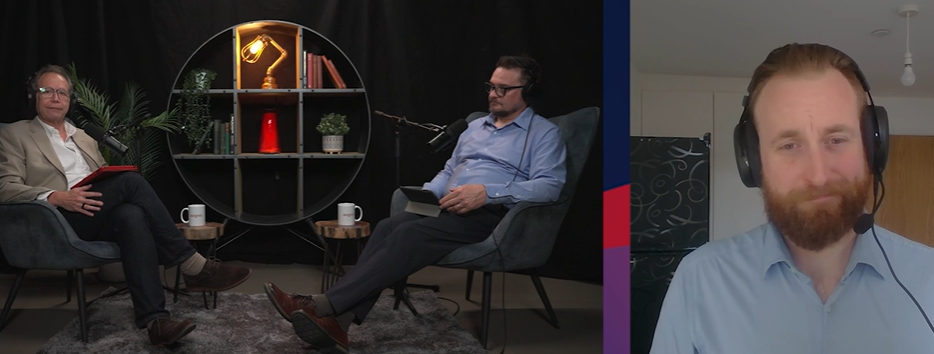
Building a more resilient network – How DNOs can stay connected & ED3-ready
Panelists from Energy UK and Arqiva outlined how ED-3 will demand smarter, more secure, and more resilient distribution networks amid rapid electrification, growth, and climate-driven volatility. Key pressures include network readiness, cybersecurity as a national security issue, and systemic resilience that spans IT/OT, processes, skills, and interdependent utilities (notably telecoms). Watch on-demand here Watch on-demand here Building a more resilient network – How DNOs can stay connected & ED3-ready Panelists from Energy UK and Arqiva outlined how ED-3 will demand smarter, more secure, and more resilient distribution networks amid rapid electrification, growth, and climate-driven volatility. Key pressures include network readiness, cybersecurity as a national security issue, and systemic resilience that spans IT/OT, processes, skills, and interdependent utilities (notably telecoms). DNOs must shift from long-term, rigid plans to adaptive, data-driven operations, increase real-time monitoring and control, and scale data management while sharing standardized, digestible network data with industry to reduce blind spots and guide investment. Collaboration across DNOs should deepen to align practices and improve reputations. Supply-chain partnerships will be vital to bridge skills gaps and accelerate delivery; examples include Arqiva’s managed connectivity that blends cellular and satellite for assured OT communications and risk transfer, with interest growing in enterprise-grade LEO for higher throughput and lower latency. Success in ED-3 hinges on outcome-focused design, resilience embedded end-to-end, and transparent engagement with customers and peers. Get the whitepaper Get the whitepaper Spakers Charles Wood, Deputy Director of Policy, Energy UK John Lillistone, Director of Market Development & Go-to-Market Strategy, Arqiva Russell Williams, Senior Product Manager, Arqiva "There’s under 1,000 working days until 2030 now, so in the near term we really need to see a drastic change to pull in all the expertise available so networks can make a swift transition to new technologies while building long‑term in‑house capability." Charles Wood Deputy Director of Policy, Energy UK Watch the Webinar HERE Watch the Webinar HERE

Turning smart water networks into near real-time water quality intelligence
Turning smart water networks into near real-time water quality intelligence Working with Anglian Water, we demonstrated how an existing smart metering network can be transformed into a multi-purpose platform supporting near real-time water quality monitoring. By connecting chlorine sensors directly to Anglian Water's private network, the trial delivered reliable connectivity in challenging underground environments while significantly improving battery performance and monitoring frequency. Get the whitepaper Get the whitepaper Anglian Water serves more than six million customers across one of the UK's driest regions. Maintaining water quality across a geographically dispersed network requires monitoring equipment to operate reliably in reservoirs, underground chambers and other hard-to-reach locations. Many existing water quality sensors rely on cellular communications, which can struggle in underground environments due to poor signal strength, reinforced concrete structures and remote locations. This can lead to reduced monitoring frequency, increased maintenance requirements and delays in receiving critical operational data. As the industry moves towards more proactive and data-driven operations, Anglian Water wanted to explore whether its existing smart metering network could support continuous water quality monitoring without the need for additional communications infrastructure. Solution Arqiva worked with Anglian Water to assess how its private smart metering network could be extended beyond metering and used to support chlorine monitoring sensors. Six reservoir sites were selected for the trial. Chlorine sensors were connected directly to the existing private network, enabling readings to be captured every five minutes and transmitted every fifteen minutes. Rather than deploying new communications infrastructure, the solution leveraged Anglian Water's existing smart water investment, creating a more efficient and scalable approach to monitoring. The results The trial demonstrated that a private smart water network can provide reliable, resilient connectivity for critical operational monitoring. Immediate network connectivity Connectivity was successfully established at every trial location, including sites where alternative communications approaches had previously presented challenges. 97%+ connectivity performance Over the course of the trial, the solution achieved more than 97% connectivity with no data loss, demonstrating the network's ability to support dependable operational monitoring. 7x longer battery life By using Arqiva's low-power network, the solution delivered a 700% improvement in battery performance compared with the previous cellular-based approach. This has the potential to reduce maintenance visits, operational costs and environmental impact Near real-time visibility The system enabled data transmission every 15 minutes compared with the previous approach of three transmissions per day, providing faster operational awareness and supporting more proactive decision-making. Customer Impact The trial proved that existing smart metering infrastructure can support multiple use cases beyond meter reading. By combining smart metering and water quality monitoring on a single private network, Anglian Water can unlock greater value from its infrastructure investment while creating a scalable foundation for future sensor deployments and intelligent network applications. Key Outcomes 97%+ connectivity Reliable performance across all trial locations. 7x battery performance improvement Reduced power consumption and maintenance requirements. 15-minute data transmission Faster insight than traditional monitoring approaches. No new network infrastructure required Greater value from existing smart metering investments Looking Ahead This pioneering trial demonstrates how utilities can transform smart metering networks into intelligent operational platforms. By supporting near real-time water quality monitoring alongside metering, utilities can improve visibility, accelerate response times and build more resilient, data-driven water networks for the future. “This trial has demonstrated the potential to extend our smart water network beyond metering, enabling more reliable, higher-frequency water quality monitoring in challenging environments. It represents an important step toward more proactive, data-driven operations.” Andy Smith Smart Water Systems Senior Manager, Anglian Water Managed Sensors Transform your utility operations with intelligent monitoring that drives efficiency, compliance, and future-ready infrastructure. Read more Read more Find out More Find out More
.jpeg)
Investing in smart metering to close London’s water gap with Thames Water
Investing in smart metering to close London’s water gap with Thames Water Explore how Thames Water reduced consumption, minimised wastage, and shifted to data-driven operations with the power of smart water metering. Get the whitepaper Get the whitepaper The investment case: confronting a systemic challenge London is not supposed to run out of water. Yet beneath the surface of the capital’s daily life, the morning showers, the office towers, the restaurants, the hospitals, a quieter story has been unfolding. Demand is rising. Rainfall is becoming less predictable. Rivers and reservoirs are under mounting strain. And by the middle of the next decade, the gap between the water London needs and the water available to supply it is projected to widen dramatically. Forecasts point to a deficit of 326 megalitres per day by 2045. For a global capital, that is not a marginal shortfall; it is a structural imbalance. Thames Water has warned that if supplies were to fail, the economic cost to London could reach £500 million per day. In a region officially classified as being in severe water stress, and already operating under compulsory metering powers, parts of the supply area have begun to slip into deficit earlier than expected, driven by higher demand and continued pressures resulting from continued network leakage. This is not the result of a single dry year. It is the cumulative effect of population growth, climate volatility and tightening environmental constraints. The system was designed for a different era, one with more predictable rainfall and lower consumption. Today, the margin for error is shrinking. For Thames Water, the conclusion has become unavoidable: The challenge is now systemic The problem has moved beyond fine‑tuning supply operations to addressing a fundamental mismatch between current water usage and what can be sustainably provided. Regulatory pressure is increasing Oversight from regulators has intensified, demanding more transparent performance and stronger long‑term planning. Consumption targets are tightening National expectations for reduced water use are becoming more stringent, raising the bar for both utilities and consumers. The economic cost of inaction is clear Delayed investment or insufficient intervention now carries significant financial risk, making proactive change essential. And London is not alone. Across England and Wales, water companies are facing the same convergence of pressures. Many operate in areas classified as serious or severe water stress. The task confronting the sector is no longer incremental efficiency improvement; it is demand transformation at scale. In that context, smart water metering has shifted from a technological upgrade to a strategic lever. It is one of the few tools capable of reshaping consumption patterns across millions of households, identifying leaks faster, providing real-time insight, and enabling more targeted interventions. In a water-stressed future, visibility is power. And without it, the imbalance only grows. National mandates with local consequences That pressure is now being codified into national policy. Consumption cannot simply stabilise; it must fall. Targets require average use to drop to 122 litres per person per day by 2038, and to 110 litres by 2050. At the same time, regulators are tightening expectations on leakage performance with each successive price review, narrowing the tolerance for underperformance. For Thames Water, the implications are profound. Internal modelling shows that reaching 110 litres per person per day would require household consumption to fall by more than 300 megalitres per day between 2025 and 2050 — more than twice the levels of reductions assumed in earlier plans. This is a step change in how water is used across millions of homes. At the same time, leakage remains high. Current levels sit at around 575 megalitres per day on a dry-year equivalent basis, above forecast expectations. Historically, Thames Water have reported that as much as 28% of total leakage can be attributed to customer-side losses, water escaping from supply pipes and plumbing within domestic and commercial properties rather than from the company’s own mains. Achieving future supply–demand balance will depend not only on mains renewal and operational improvements, but also on tackling losses beyond the utility’s direct network control. Even with continued investment in network repair and renewal, the scale of customer-side leakage highlights how finely balanced — and system-wide — the challenge has become. In this environment, broad-brush awareness campaigns and incremental nudges cannot deliver the transformation required. Reducing demand and tackling wastage at this scale demands granular, property-level insight — the ability to see how water is being used, where it is being lost, and how patterns shift over time. It is within this tightening policy and performance landscape that smart metering moved from being an efficiency initiative to becoming a strategic necessity. A decade of operational learning Over the past ten years, Thames Water, in partnership with Arqiva, has installed more than 1.2 million smart meters, creating one of the most extensive advanced metering infrastructures in the UK if not the world. The rollout, delivered borough by borough across London, combined meter installation with the communications backbone required to capture hourly consumption data, and for many larger meters, data at fifteen-minute intervals. Supported by Arqiva’s 119 radio masts and a dedicated FlexNet network architecture, with meters provided by Sensus, the programme has enabled consistent, granular visibility of demand. This visibility has fundamentally changed how the company understands its network. With accurate household usage data, Thames Water can calculate area-level supply volumes, subtract verified consumption and identify leakage with far greater precision. What was once estimated at an aggregate level can now be isolated to street or property level. “I’m proud of the measurable impact we’ve had on water efficiency and customer satisfaction.” Mark Cooper Head of Smart Metering and Demand Reduction at Thames Water The measurable impact is clear. Smart meters have helped identify more than 84,000 customer-side leaks and are contributing to savings of around 120 megalitres of water per day. Beyond these headline figures, the programme has generated deep operational experience and valuable behavioural insight. Results Smart meter data has transformed Thames Water’s understanding of how water is used — and lost — at the property level. Analysis during AMP7 showed that between 8% and 10% of homes exhibited continuous flow, typically indicating hidden leaks, while around 5% of properties were estimated to have constantly leaking toilets. These are losses that, without smart water meters, could have remained invisible. The shift from unmeasured to smart-metered supply has delivered measurable demand reduction. During AMP6 and AMP7, Thames Water reported that customers reduced their consumption by an average of 13% once smart metered. As smart meter penetration increased, per capita consumption across the region fell materially, with measured household consumption typically around 15–20 litres per person per day lower than unmeasured consumption. Leakage reduction has also accelerated over successive regulatory periods. In AMP6, Thames Water reduced leakage by approximately 90-100 Ml/d from its early-period baseline. In AMP7, despite drought and operational pressures, reported leakage levels fell to their lowest ever recorded levels by 2023–24, representing a reduction of approximately 10% against the PR19 baseline. 84,000+ Customer-side leaks identified 13.2% Leakage down since 2020 1.2m+ Smart meters installed 98.5% Connectivity realibility 13% consumption reduction by customer once smart metered 100% Evidence‑backed reporting Leakage is at its lowest ever level on the network, down 13.2% since 2020. Smart metering has been central to this trajectory, enabling faster identification of supply-pipe leaks, improving night-flow analytics, and allowing targeted customer contact where continuous flow is detected. The system-level insight is equally important. Peak demand in several planning zones is strongly influenced by summer weather and dry-year conditions. In response, Thames Water is increasingly using smart meter data to identify high-usage and continuous-flow households, targeting these properties through enhanced water-efficiency initiatives. Without granular, near real-time data, transmitted across Arqiva’s network with consistently high reliability and connectivity of around 98.5%, unusual spikes in property-level water use would be absorbed into aggregate demand figures, detectable only in retrospect. With smart water visibility and granularity, Thames Water can isolate emerging pressure points, model peak risk with far greater precision, and anticipate strain before it escalates. Intervention becomes targeted rather than reactive, focused where it will deliver the greatest operational and customer impact. Always-on visibility enables earlier leak detection, faster intervention and more informed customer engagement. For a network operating under structural pressure, that intelligence is fundamental to resilience. Scaling ambition for AMP8 Smart metering now sits at the centre of Thames Water’s AMP8 plans. The company intends to reach one million additional homes with smart meters by 2030 and three million by 2035. Ofwat’s PR24 Final Determination reflects regulatory support for this approach, allowing £281 million for smart metering investment between 2025 and 2030. As Thames Water expands its rollout into Thames Valley, introducing NB-IoT cellular connectivity alongside the established FlexNet radio infrastructure, Arqiva’s Water Data Platform provides the foundation for real-time network visibility, proactive maintenance insight and robust regulatory reporting. Crucially, it integrates data from multiple network communication into a single, coherent environment, creating a comprehensive view of performance and emerging risk. Looking ahead, that same data architecture opens the door to richer digital engagement with consumers, smarter predictive maintenance insights that adapt to environmental change, and unified sensor data that delivers actionable operational insights. Partnership as a foundation for resilience The longevity of the programme has been central to its success. More than a decade of deployment has allowed Thames Water to mature its operational capabilities and embed data-driven decision-making into everyday processes. Arqiva’s role within that journey reflects more than technology provision. As a fellow critical national infrastructure operator, Arqiva understands the regulatory, operational and resilience challenges that water companies face. Maximum read accuracy and reliability are not abstract performance metrics; they are foundational to building a granular, trustworthy view of demand, leakage and system stress. Arqiva’s reliability has been underpinned by private spectrum FlexNet radio connectivity designed to operate across complex urban environments and at challenging underground meter depths. The ability to maintain robust performance in dense cityscapes, suburban environments and buried installations is essential to sustaining the integrity of the data estate at scale. Strong collaboration across suppliers, technology partners and internal teams has ensured the programme has delivered not only installation scale but long-term operability and resilience. As Mark Cooper reflects: “Strong partnerships are vital to the successful rollout and long-term operation of smart meters. Collaboration across suppliers, technology providers, and internal teams ensures resilience and efficiency throughout the programme.” Mark Cooper Head of Smart Metering and Demand Reduction at Thames Water Maintaining meter operability and network performance will be essential as new performance commitments take effect during AMP8. For Thames Water — and increasingly for other companies operating in water-stressed regions — resilient data infrastructure is becoming as critical as physical asset resilience. From measurement to structural transformation The projected 326 megalitre daily deficit, and the economic exposure attached to it, made the investment case for smart metering unavoidable. For Thames Water, smart meters are no longer a billing enhancement or a contained pilot initiative. They are a core system management tool: distinguishing genuine consumption from leakage, identifying continuous flow that may signal hidden customer-side leaks, and enabling intervention at property level before losses compound. Through AMP7, Thames Water has expanded its use of smart meter data to trigger Smarter Home Visits, provide digital consumption feedback, and to notify customers promptly when persistent flow suggests leakage or wastage. This data-led targeting will continue into AMP8, with smart meter analytics guiding engagement with excessive users and shaping more focused demand-reduction campaigns. Rather than broad awareness messaging alone, interventions are increasingly directed where the data indicates the greatest potential impact. Arqiva has been part of that transformation from the outset. For more than a decade, the partnership has evolved from early deployment to large-scale rollout, building the communications and data foundations that now underpin Thames Water’s demand strategy. And as the programme progresses toward 2030, that role continues, supporting expansion, performance optimisation and the long-term resilience of the platform. Across the UK water sector, similar pressures are intensifying. Climate variability, regulatory tightening and population growth are reshaping the supply–demand balance. The lesson is becoming clear: in a water-stressed future, visibility is not optional. It is the foundation on which resilience is built. Smart Water Metering Find out how the UK’s leading smart water meter provider can help you improve operations, conservation and the customer experience in one seamless, fully-managed solution. Read more Read more Find out More Find out More
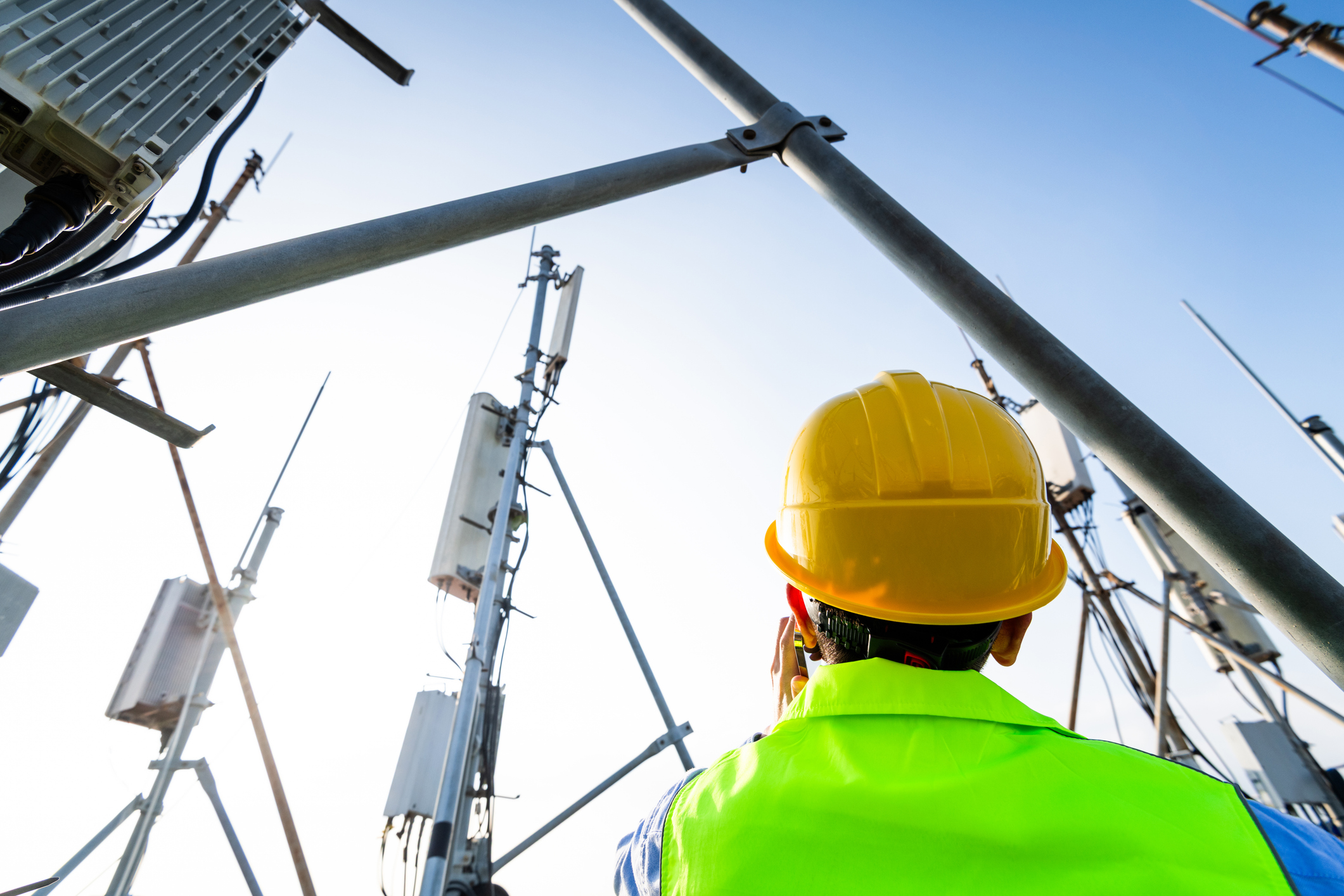
Building resilience in an era of compounding threats
Building resilience in an era of compounding threats How SGN is future-proofing critical national infrastructure with Arqiva Managed Connectivity. Get the whitepaper Get the whitepaper When disruption becomes the norm As Storm Eunice tore across the UK in February 2022, winds of more than 120mph brought down power lines, damaged substations and left more than a million homes without electricity. Mobile masts lost power, fixed-line infrastructure was severed, and in many areas the loss of communications compounded the challenge of restoring energy supplies. Just months later, record summer heat pushed parts of the energy system to its limits, while flooding from Storm Babet submerged infrastructure and disrupted access to critical sites. These events were not isolated incidents. They were warnings. Across the UK, extreme weather is becoming more frequent, more severe and more disruptive, placing unprecedented strain on energy networks and the communications systems they depend on. When power fails, connectivity is often one of the first casualties. When connectivity is lost, operators can lose visibility and control of the very assets they need to manage safely. More recently, the sector has been reminded that disruption does not need to originate on British soil to have a direct impact on UK critical infrastructure. Incidents affecting gas distribution network operators highlighted the risks associated with overseas-issued SIM cards embedded within operational devices. In particular, the use of non-UK mobile profiles exposed parts of the network to service degradation and loss of control driven by factors entirely outside UK operational, regulatory or commercial influence. These events underlined how interconnected modern infrastructure has become, and how international dependencies can introduce hidden vulnerabilities. When safety-critical connectivity relies on overseas mobile cores, international signalling routes or foreign governance regimes, operators inherit risks they did not design and cannot easily mitigate. In this context, resilience is no longer just about redundancy, it is about sovereignty, control and assurance across the entire supply chain. At the same time, a less visible but equally serious threat is growing. Cyber attacks linked to hostile state actors have increasingly targeted energy networks across Europe, exploiting the digital control systems that underpin modern utilities. In recent years, cyber operations have been used not just to steal data, but to deliberately disrupt power and gas networks, removing situational awareness at critical moments and demonstrating how digital compromise can translate into physical impact. For the UK energy sector, the lesson is clear. The risks facing critical national infrastructure are now compounding and converging. Atmospheric disruption, physical damage, supply-chain fragility and cyber intrusion can occur simultaneously, amplifying their impact and extending recovery times. In this environment, resilience is no longer defined solely by the strength of pipes, wires or plant; it is defined by the security, diversity, sovereignty and availability of the connectivity that binds the system together. For operators like SGN, whose networks must remain safe, visible and controllable in all conditions, preparing for this reality is not optional. It is fundamental to public safety, regulatory confidence and the UK’s transition to a net-zero energy system. Background: connectivity as a safety-critical dependency SGN manages the gas distribution network serving around six million homes and businesses across Scotland and southern England. As a critical national infrastructure operator, its responsibilities are uncompromising: protect public safety, maintain regulatory compliance, and ensure the continuous, secure operation of a vast, geographically dispersed asset base. Alongside these responsibilities, SGN is playing a central role in the UK’s transition to net zero. Working with government and industry partners, it is helping develop the world’s first zero-carbon gas grid — preparing for a future in which biomethane and hydrogen operate alongside natural gas in increasingly regionalised networks. Delivering this safely depends on the continuous flow of trusted data between thousands of field assets and SGN’s central control systems. Connectivity failures are not simply inconvenient; they pose direct risks to safety, compliance and customer confidence. That reality has shaped SGN’s approach to communications for more than a decade. A partnership built for disruption, not just performance SGN first began working with Arqiva in 2011, seeking a connectivity partner capable of operating under the most demanding conditions. From the outset, the focus was on resilience, independence and security, not lowest-cost connectivity. The initial deployment was based on highly secure VSAT satellite links, selected for their ability to operate independently of terrestrial infrastructure and to continue functioning during severe weather or localised outages. As operational demands increased, this was expanded to include LTE mobile connectivity and BGAN satellite services, ensuring coverage across urban, rural and hard-to-reach locations. As SGN’s digital transformation accelerated, so too did the pressures on its connectivity estate. Rising cyber and physical security threats, tighter regulatory oversight, increased digitalisation and the growing use of advanced analytics and AI all drove the need for a more integrated, future-proof approach, one capable of withstanding not just individual failures, but systemic disruption. Solution: managed connectivity designed for a hostile world In 2024, SGN selected Arqiva to deploy its fully Managed Connectivity service across 383 sites in England and Scotland. The objective was not simply to upgrade individual links, but to create a unified, resilient and secure network capable of supporting SGN’s long-term operational and regulatory needs. The solution brings together multiple communications technologies into a single, closed, end-to-end customer network. Critical operational data is securely transmitted between field devices and SGN’s SCADA systems, ensuring that visibility and control are maintained even during periods of disruption. Rather than relying on a single communications path, each site is designed with diverse primary and secondary connectivity. Cellular and satellite technologies are combined so that if one link is degraded or unavailable, traffic is automatically rerouted with minimal impact on operations. Crucially, the solution is built around UK operational sovereignty. All cellular connectivity uses UK-issued, UK-only roaming SIMs, ensuring that operational traffic remains within domestic networks and UK regulatory frameworks. This removes reliance on overseas mobile cores, international roaming agreements or foreign commercial decisions that could otherwise affect the availability or integrity of safety-critical services. In parallel, Arqiva works across multiple UK mobile network operators, avoiding dependence on any single provider. This multi-MNO approach delivers true carrier diversity, increasing resilience to localised outages, congestion or systemic telecoms failures. Combined with satellite independence, it ensures SGN maintains control even when terrestrial networks are compromised. Arqiva works closely with SGN to design the right connectivity for each individual site. Geography, coverage limitations, security requirements and data volumes are all assessed in detail. The result is a carefully balanced blend of VSAT, BGAN and LTE, capable of delivering constant, cost-effective connectivity even in black-spot areas and remote environments. Through Arqiva’s 24/7 managed service, the network is continuously monitored, faults are detected early and issues are resolved rapidly, helping prevent incidents before they escalate. As Mike Smith, Executive Director of Smart Utilities Networks at Arqiva, explains: “We’ve been partnering with SGN since 2011, and are pleased to support them with an evolution of our proven, resilient and fully managed solution. Utility networks today face a unique set of challenges, from extreme weather to rising cyber risk. Our Managed Connectivity service enables SGN to maintain the visibility and control they need while continuing to focus on delivering a safe, reliable and increasingly low-carbon energy system.” Mike Smith Executive Director of Smart Utilities Networks at Arqiva Security and governance by design Security is fundamental to the service. All data is protected in line with SGN’s CAF and NIS security frameworks, with particular care taken at the point where connectivity integrates with SGN’s SCADA systems, where integrity and availability are essential for safe network control. As a fellow provider of critical national infrastructure, Arqiva brings deep experience in mitigating atmospheric events, physical threats and cyber-attacks, and in understanding how these risks can cascade across interdependent systems. To support long-term delivery and value, a formal governance model was introduced, with clearly defined responsibilities, outputs and accountability. Quarterly performance reviews and innovation sessions ensure the service continues to evolve in line with SGN’s changing operational and regulatory requirements. A trusted partnership SGN’s decision to entrust Arqiva with the operation of its connectivity estate reflects a deep level of confidence. Connectivity is a safety-critical dependency, and outsourcing its design, management and operation required absolute trust in Arqiva’s expertise, security posture and long-term commitment. That trust has been built over more than a decade of collaboration and is underpinned by Arqiva’s deep sector specialism in operational telecoms for critical national infrastructure. From broadcast and utilities to emergency services, Arqiva operates networks where resilience, availability and recovery under pressure are non-negotiable. With over 100 years of experience in building and operating national and global communications infrastructure, Arqiva brings institutional resilience that few providers can match. This long-term perspective, combined with financial strength and a commitment to UK critical infrastructure, allowed SGN to focus on its core mission while knowing its operational communications were in expert hands. The relationship is further underpinned by continuity and deep operational knowledge. Tom Milligan, SGN’s Service Excellence Manager, has worked with Arqiva for more than 30 years and has owned the SGN relationship from the outset, bringing an intimate understanding of the organisation’s needs to the deployment. As Andrew Quail, SGN’s Chief Transformation and Information Officer, says: “We already have a great relationship with Arqiva so were delighted that the team was able to find a new solution for us. Offering a fully managed service, combined with deep expertise in critical national infrastructure and strong cyber-security credentials, we knew Arqiva was the right partner for us.” Andrew Quail Chief Transformation |Officer at SGN Results: confidence today, readiness for tomorrow For SGN, the drivers behind the programme are clear: resilience, security and future-proofing. As an operator responsible for the distribution of highly combustible gas, constant asset visibility and control are non-negotiable. At the same time, regulatory demands, environmental pressures and rapid digitisation are increasing the volume, speed and criticality of data moving across the network. Arqiva’s Managed Connectivity service now provides the foundation SGN needs to support leakage detection, real-time monitoring, digital twins and the growing complexity of a net-zero energy system. These capabilities are underpinned by contractual 99.9% network availability guarantees, with performance continuously monitored against agreed service levels. 99.9% Network availability 383 operational sites benefitting from reliable connectivity 24/7 Managed service support Enhanced Visibiliyu of remote assets Importantly, the architecture reduces systemic risk by avoiding hidden dependencies on overseas infrastructure, single vendors or single network operators. In an era where geopolitical, commercial and environmental risks increasingly intersect, this independence is becoming as critical as physical asset resilience. Looking ahead, Arqiva and SGN are already exploring how emerging technologies could unlock new capabilities. Low Earth Orbit satellite services, in particular, have the potential to enable higher-bandwidth field applications, from AI-driven leakage detection and enhanced security monitoring to augmented reality support for engineers and improved emergency communications. As Anthony Jewitt, Business Development Manager at Arqiva, explains: “High-data field connectivity will be critical in future crisis scenarios, enabling applications that fundamentally change how utilities manage disruption. From AI and edge computing to real-time guidance and training, these technologies will help operators maintain control, protect safety and restore services more quickly — and we’re excited to explore those opportunities with SGN.” Anthony Jewitt Business Development Manager at Arqiva Managed Connectivity Find out how our Managed Connectivity solution can help keep your critical assets stay connected regardless of location. Read more Read more Find out More Find out More

Anglian Water: paving the way for a resilient future
Anglian Water: paving the way for a resilient future Discover how strategic partnerships and advanced connectivity are reducing leakage and preparing Anglian Water for long-term water sustainability. Get the whitepaper Get the whitepaper Anglian Water faces one of the toughest water resource challenges in the UK. Without any action, the company is forecast to face a shortfall of 593 megalitres of water per day by 2050, roughly half of the water currently supplied across its network. Operating in the driest region of England, Anglian Water has very limited surplus water available to meet future demand. The company also faces tight environmental regulations that restrict how much water it can take from natural sources, and there are few opportunities to trade or share water with neighbouring regions. With supply-side options so constrained, Anglian Water has to make the most of the water it already has, improving efficiency, reducing leakage, and helping customers use less water. Recognising that incremental improvements would never match the scale of the challenge, Anglian Water set out early to pursue a scalable, data-driven approach to managing demand and building long-term resilience. Solution Laying the foundations in AMP5–AMP6 This forward-looking approach began to take shape more than a decade ago, when Anglian Water first explored how advanced metering infrastructure (AMI) could transform the way it managed water resources. An early industry pioneer, the company identified smart water metering as the key to achieving that transformation, providing the data and insight needed to detect leaks faster, engage customers directly in water efficiency, and build a stronger, more sustainable network. The idea was rooted in customer focus. As Doug Spencer, Anglian Water’s Smart Metering Lead, reflected: “It really all started back in AMP5 with Louise Mitcham. The first Head of Metering, Louise’s background was customer service through and through, and she made sure the vision for smart metering was all about the customer.” Doug Spencer Smart Metering Lead, Anglian Water That philosophy shaped Anglian Water’s early proof-of-concept trials during AMP6 in Newmarket, Colchester, and Norwich. These trials weren’t about testing technology. They were a chance to prove how smarter data could drive real customer engagement and more informed conversations about water use. Working with Arqiva and Sensus, Anglian Water tested the potential of smart metering across different topographical settings using Arqiva’s FlexNet private radio network (412–414 MHz), a secure and reliable protocol capable of transmitting high-quality data at scale. The results were clear: the technology worked, the data was accurate, and the partnership aligned in ambition, expertise, and values to support Anglian Water’s customer engagement programme. Scaling up in AMP7 Building on the success of those trials, and following another successful procurement process, AMP7 (2020–2025) marked the shift from concept to full-scale implementation. Anglian Water and Arqiva launched one of the most ambitious smart metering programmes in the UK, installing 1.1 million smart meters across the region. From the outset, the programme aimed high. The goal was to deliver what the team proudly called a “Rolls Royce” AMI system, not just a functional rollout, but an industry-leading platform for performance and reliability. Targets included 97% customer coverage, 99% of meters connected, and 95% of those meters delivering at least 22 reads per day. Even in the face of major challenges, from Covid-19 lockdowns to global microchip shortages and supply chain disruption, the partnership held firm. As Lindsay Congreve, Anglian Water’s Head of Metering, observed, “The relationship weathered the storm because, at an operational level, we’ve always had the same aim. From the outset, Arqiva made it absolutely clear how committed they were to delivering our vision.” Lindsay Congreve Head of Metering, Anglian Water Deployment was planned zone by zone, ensuring strong operational control and clear, proactive communication with customers. This careful sequencing kept communities informed and interested, supporting strong technical delivery while improving the overall customer experience and engagement. The approach supported the company’s wider ambition to be a top performer in the Customer Measure of Experience (C-MeX) league table. Strengthening the partnership As the rollout progressed, the collaboration between Anglian Water and Arqiva deepened further. As Doug Spencer noted, “We found through the proof-of-concept trials that everything was a good fit. We shared the same vision for how it should be delivered — and that’s continued throughout. Arqiva has always been receptive, and it’s been a genuinely award-winning partnership.” Doug Spencer Smart Metering Lead, Anglian Water Strong relationships at all levels helped maintain quality and consistency. For Anglian Water, Arqiva’s Customer Success Manager has been integral, as someone who “knows every part of the operation and everyone involved,” while the appointment of an Account Director with a deep background in the water industry brought vital context and continuity. Across four consecutive procurements, Anglian Water found that Arqiva consistently offered the best balance of economic performance and confidence in achieving the company’s ambitious KPI targets, a testament to both technical excellence and shared long-term commitment. Rolling out through AMP8 Following another successful procurement cycle, the focus in AMP8 is on further expansion and optimisation. A further 1.2 million smart meters are set to be installed across the region by 2030, delivered through the same proven alliance model with Kier Group and Clancy that has driven the programme’s success to date. With stable technology, experienced delivery teams, and a mature operational setup, Anglian Water has transitioned from rapid rollout to refinement. As Doug Spencer says, “It feels like we’ve flicked a switch. We’re no longer scrambling to get meters in — we’re now focused on what’s working, what’s not, and how we can keep improving.” Doug Spencer Smart Metering Lead, Anglian Water From early trials to a regional-scale rollout, Anglian Water and Arqiva have built an enduring partnership that continues to set new standards for smart metering in the UK. Together, they are proving how technology, collaboration, and customer focus can come together to deliver lasting value — for people, for water, and for the environment. Results Transforming customer engagement through data A key element of Anglian Water’s smart metering rollout has been the creation of a customer portal, giving households direct access to their own water-use data. This visibility has helped customers understand their consumption patterns and encouraged them to make positive changes. The portal also enables personalised “nudges” and advice, helping people reduce water waste and manage their bills more effectively. As Lindsay Congreve explained, 1.5m Smart water meters 150m+ validated data reads per day 577k+ customer‑side continuous flows 700k+ customer leaks detected 23megalitres of water per day reduction in distribution output 100% Evidence‑backed reporting “We’re getting in touch with hints, tips, and updates on how their consumption is going. So, they’re hearing so much more from us than previously when the annual bill might be all a customer would see.” Lindsay Congreve Head of Metering, Anglian Water This more transparent, data-driven relationship has had a measurable impact on trust. A recent customer engagement study found that trust in Anglian Water is 15% higher among customers with a smart meter compared to those without, largely because these customers have been directly supported to fix leaks and save money through improved water efficiency. What’s more, the programme has delivered a material uplift in customer satisfaction (C-MeX). Among customers with a smart meter, below stats indicates what our customers are saying: 52% say they trust Anglian Water 43% agree that Anglian Water offers good value for money, compared with 29% of customers without a meter “We’ve been amazed by the number of customers engaging with us at a really good level. We get a lot of very positive testimonials from our customers.” Lindsay Congreve Head of Metering, Anglian Water Tackling customer-side leakage at scale Smart water metering has delivered a step change in Anglian Water’s ability to identify and respond to customer-side leaks. Since April 2021, Anglian Water’s smart water meters have identified 577,410 continuous flows. In 2024 alone, the company handled over 170,000 continuous flow identifications, compared with around 9,000 a year before AMI metering, a transformation Doug Spencer describes as “a paradigm shift.” With 1.5 million AMI meters connected and operational, Anglian Water now has the largest operational smart metering base in the UK water industry. The data gathered has far exceeded expectations, both in scale and in impact. As Doug Spencer revealed, “Certainly, the magnitude of customer-side losses has completely surpassed our estimates. We thought we had a pretty good handle on performance from our proof-of-concept trials, but we’ve had to double the resource to deal with customer leaks because it’s proved such a gigantic piece of work.” Doug Spencer Smart Metering Lead, Anglian Water The results have been worth the effort. The company is now ahead of schedule on its AMP8 leakage reduction targets. By January 2026, it had delivered an average reduction of 14.75 litres per household per day across customer supply-pipe leakage and public leakage—exceeding the WRMP target of 11.28 litres per household per day. This improvement equates to a 20 million litre per day reduction in distribution input, reducing overall demand on the network and strengthening resilience. As Doug Spencer notes, “We’re almost at a point where we’re in touching distance of our target for the end of AMP8 for plumbing loss and service pipe leak reduction.” Doug Spencer Smart Metering Lead, Anglian Water Extending benefits beyond households While the majority of installations have focused on domestic customers, Anglian Water is also extending the benefits of smart metering to non-household and commercial properties. With around 105,000 business premises in its region, the company is now introducing water efficiency visits and outreach programmes to help businesses use data to save water and money. One initiative with Anglian Water’s schools outreach team has shown particular promise. As Doug Spencer explained, “There’s a huge difference between going to a school with an AMI meter and going to one without. With an AMI meter, the students can find issues, fix them, and then see the data come down — it’s real, immediate learning.” Doug Spencer Smart Metering Lead, Anglian Water Testing tariff innovation The data and flexibility provided by AMI technology have also enabled Anglian Water to trial new tariff models for the first time. A seasonal tariff pilot offers lower water prices in winter and higher prices in summer, encouraging customers to reduce discretionary water use — such as car washing or garden watering — during peak demand periods. As Lindsay Congreve shared, “That simply wouldn’t be possible without AMI metering. The savings on that initiative have been very, very significant, and you can see customers reacting and responding by using less water.” Lindsay Congreve Head of Metering, Anglian Water Supporting broader water resource management Smart water metering is now central to Anglian’s Water Resources Management Plan (WRMP). The availability of precise, real-time consumption data has transformed the company’s ability to forecast, plan, and manage water demand. Doug Spencer observed, “Our WRMP has really evolved. Now we’re working with actual data rather than estimates. We can more clearly understand where and why figures diverge from our original assumptions. When we see high district meter readings, we can now say, ‘Don’t bother sweeping — we know it’s these specific properties that are affected.’ In DMAs where we’d have suspected leaks in the past, we can now tell that high consumption is genuine use, not leakage. It’s making our operations much more efficient and effective.” Doug Spencer Smart Metering Lead, Anglian Water Building for the future The benefits of Anglian Water’s investment in FlexNet® connectivity are now extending well beyond metering. The company is exploring new applications for the network, including district meter monitoring, pressure management, and water quality programmes. Doug Spencer noted, “Using FlexNet could seriously drive down communication costs and simplify our hardware. For example, a FlexNet endpoint is much cheaper than an SMS logger, so the potential savings are significant.” Doug Spencer Smart Metering Lead, Anglian Water These innovations demonstrate how Anglian Water continues to leverage its smart metering infrastructure as a strategic platform for efficiency, resilience, and environmental benefit. “We’ve got a myriad of irons in the fire. We’re working across teams to make the most of what this network can do.” Doug Spencer Smart Metering Lead, Anglian Water Lasting impact The results of Anglian Water’s partnership with Arqiva are now being felt across every part of the business, from leakage management and customer engagement to operational planning and innovation. The scale of data insight delivered by smart metering is helping Anglian Water manage demand more intelligently, improve customer trust, strengthen its network for the future, and deliver stronger regulatory outcomes. Anglian Water has reviewed its current performance against Ofwat’s smart metering Performance Commitment Deliverables (PCDs) and, ahead of formal reporting from 2026/27, is confident it will exceed its target. By using technology to make better use of its precious resources, Anglian Water is securing a more sustainable and resilient water future for the East of England. Smart Water Metering Find out how the UK’s leading smart water meter provider can help you improve operations, conservation and the customer experience in one seamless, fully-managed solution. Read more Read more Find out More Find out More

Irdeto, MultiChoice and SuperSport rise above
Irdeto, MultiChoice and SuperSport rise above with Arqiva’s multi-platform media distribution services Find out how Irdeto and MultiChoice are setting the regional standard in pay-TV. Get the whitepaper Get the whitepaper About Irdeto Irdeto is the world leader in digital platform security, protecting platforms and applications for video entertainment, video games, connected transport, connected health and IoT connected industries. Irdeto’s solutions and services enable customers to protect their revenue, create new offerings and fight cybercrime effectively. With more than 50 years of expertise in security, Irdeto’s software security technology and cyber services protect more than six billion devices and applications for some of the world’s best-known and loved brands. About MultiChoice MultiChoice is a prominent player in the global pay-TV arena, boasting an audience of over 23.5 million households spanning 50 markets in South and Sub-Saharan Africa. SuperSport, a member of the MultiChoice Group, is among the world’s largest sports rights holders and is the host broadcaster for many of South Africa’s largest sporting events. Irdeto is part of the MultiChoice group and provides MultiChoice with a Broadcast Managed Service whereby it manages the Compression and Encoding of the MultiChoice broadcast infrastructure services in South Africa, Spain and the United Kingdom. Irdeto has contracted with Arqiva for their multi-platform media distribution services for the contribution of the MultiChoice and SuperSport services from the UK. The challenge: growing demand and a growing problem As the MultiChoice channel offerings expanded and evolved – and as more and more sports events were acquired for broadcast – Irdeto faced the challenge of optimising their media distribution as part of the Broadcast Managed Service they provide to MultiChoice. This challenge was compounded by a desire to deliver new efficiencies in their distribution process. Arqiva had been providing multi-platform media distribution services to Irdeto/MultiChoice for over two decades. Given their proven track record, Irdeto looked to Arqiva for an innovative solution to their growing needs. The solution: a multi-pronged approach Arqiva capitalised on next-generation technologies to revolutionise Irdeto/MultiChoice’s media processing and distribution. Our innovative solutions empowered SuperSport to distribute hours of live sports video content every month, featuring coverage of prestigious events like La Liga, Formula 1, and Major League Baseball. Utilising SRT feeds alongside traditional fibre and satellite feeds not only slashed acquisition costs but also broadened content accessibility. In addition, Arqiva provided linear programming aggregation for over 100 channels from multiple broadcasters – including Warner Bros Discovery, Paramount, NBCU and the BBC – in multiple transmission formats. We established IS-20 satellite uplink services for linear programming from the UK to South Africa, which facilitated Direct to Home (DTH) delivery of media to MultiChoice’s 9 million South African subscribers. We also took on the role of hosting and integrating media processing services, which allowed for content and advertising replacement for distribution to different African countries. Furthermore, downlink services were provided for live events to in-country broadcast platforms, supporting DTH delivery of media to MultiChoice’s South African service subscribers. In 2023, Arqiva began transitioning Irdeto/MultiChoice from legacy hardware-based broadcast technology to Arqiva’s latest software-defined hybrid broadcast solution, Arqplex. This led to regular feature upgrades, an increase in encoding efficiencies, and a substantial 40% energy consumption savings. Irdeto and SuperSport has also completed the onboarding and testing phase for our cloud-based content exchange platform, Arqade. This achievement sets Irdeto and SuperSport up for success as the market transitions towards an IP future. Industry-Leading Service Delivery Continued to set the gold standard for pay-TV services across Southern Africa. Greater Subscriber Value Ongoing migration to Arqplex enables enhanced services and experiences for subscribers. Future-Ready for IP Positioned MultiChoice for long-term success in the transition to IP-based delivery. Platform for Growth Created opportunities to adopt new products and services as business needs evolve.

Unlocking new affiliate partnerships
Unlocking new affiliate partnerships with our cloud-based content interchange Discover how a world-leading media and entertainment company used our Arqade product to onboard new affiliate customers at speed. Get the whitepaper Get the whitepaper About our customer The broadcaster is one of the world’s leading media and entertainment organisations. It is renowned worldwide for its production and distribution of content across a diverse range of broadcast and streaming services, as well as for its ownership and management of major entertainment and news brands. The challenge: overcoming traditional distribution limitations Our customer offered its collection of premium linear channels to various European affiliates. However, dealing with traditional distribution methods sometimes meant a lack of flexibility, limiting the company’s reach. As time went on, the broadcaster wanted to switch to a more adaptable distribution method. The introduction of our Arqade service broadened our portfolio of distribution solutions, giving our customer a new way to deliver content to end affiliates The solution: a cloud-based international media distribution service Our innovative cloud-based media distribution service, Arqade, offers lower costs, ample flexibility and quicker setup times than traditional methods. Our solution aligned perfectly with the shared vision between Arqiva and the broadcaster to create a ‘global storefront’ for its channels, offering effortless and immediate access to international affiliates. Recognising the benefits, the broadcaster shifted its channels to cloud-based playout, selecting Arqade as its preferred platform to manage its international distribution. Our customer discovered that they could simply contribute their channels and authorise access to their affiliates, onboarding new partners easily. Arqade is used to set the source and delivery destination of channels. It then processes the content in the required formats, ready for customers. In a matter of minutes, the channels are available for distribution to the new affiliate. This streamlined process allows channel owners to onboard new affiliates easily and quickly – wherever they are in the world, making life easier for affiliate sales teams. New Affiliate Partnerships Expanded distribution through new affiliates across Australia and New Zealand. Lower Distribution Costs Replaced costly traditional delivery methods with a more efficient IP-based platform. Increased Revenue Opportunities Enabled commercially viable deals with smaller affiliates previously out of reach. Improved Resilience Leveraged global cloud connectivity to ensure highly reliable content distribution. Faster Disaster Recovery Reduced service outage recovery times from several hours to just minutes.

7 questions you should ask your suppliers
7 questions you should ask your suppliers With AMP8 procurement discussions intensifying, making the right supplier decisions is crucial. How can you be certain your smart water metering partnerships will pay off in the future? Here are some critical questions to ask your potential suppliers in your procurement processes. Get the whitepaper Get the whitepaper What’s the cost-per-successful read? Upfront costs can be an unhelpful measure for smart water metering provider comparison. That’s because lower upfront costs can lead to higher in-life costs, either from remedial actions to source the meter reads or shorter than anticipated battery lives. Whole-life cost is a better measure for comparison – but sometimes it also presents challenges. In some cases, suppliers’ whole-life costs are estimates based on test conditions, rather than lived experience in a real-world setting. Both upfront costs and whole-life costs can overlook an important factor – meter read success rate. While Solution A could be half the price of Solution B, if it only captures half the readings, then it’s not a bargain. The best way to compare providers on cost? Cost-per-successful read. This comparison tells you exactly what you’ll be paying for the true value of your asset – accurate, reliable data. It also provides strong insight into the quality of the supplier’s connectivity infrastructure and data transmissions. Some suppliers are now open to contracting on a cost-per-successful read basis, so make sure to ask them about their guarantees. What data accuracy can you guarantee? The latest research from Frontier Economics and Artesia Consulting confirms that the lower your data accuracy, the lower the returns you can expect from your smart water metering investments. Water companies with high meter coverage (95%), getting hourly reads shared every day with a 90% read accuracy can generate benefits of £4,137 million over a 30-year period. These benefits include: More efficient leakage delivery Lower consumption costs Avoided capacity costs Lower carbon emissions Reduced meter reading costs Improved infrastructure management Improved forecasting data By contrast, water companies with low meter coverage (30%), with daily reads shared every month at a low read accuracy (50%) can generate benefits of just £2,058 million over the same period. This is because reliable, timely, accurate data is essential for effective customer engagement. Without rich data, you can’t segment communications to curb water use or tackle leaks. You also limit your options for future network applications and innovations. Ask your suppliers for their data accuracy statistics. How can you guarantee the longevity of your infrastructure? To prolong the lifespan of your metering devices, your network needs to perform at its best for the long haul. This means your network needs to be built to stand the test of time. For example, check with your supplier about connecting your devices to public buildings or utilities like lamp posts. If they plan to use this approach, ask if they have any guarantees from local councils that these public assets won’t be moved or changed over the coming years. Any alterations will impact your communications infrastructure – and your investments. Find out from your suppliers what safeguards they have in place to protect your infrastructure. How resilient is your supply chain? According to the experts at Baringa, the number of smart water meter installations in the UK will jump from 2.5 million over five years (AMP7) to 2.5 million every year in AMP9. To cope with the surge in demand, it’s important to work with suppliers who have strong global supply chain relationships. They should have strong partnerships with all the main meter manufacturers – and they should be collaborating to optimise processes and guarantee asset delivery. Your suppliers should also have access to a skilled installer workforce with a proven track record of large-scale delivery. They need ample UK experience – and a solid understanding of the different installation challenges in urban and rural locations. What connectivity technologies do you support? Smart water metering technology is evolving and maturing. With the technological landscape in flux, UK water companies are, understandably, worried about selecting the right solution. Water companies are all striving towards a future where consumers can easily monitor their water usage and make changes to reduce their consumption. However, the paths to achieving this goal technologically will vary from company to company. The solution you choose during this buying cycle might need adapting in the future to match your evolving smart metering requirements. In AMP8, it’s key to select a provider who can support you for the long haul, adjusting your solution as your needs change. When will our smart water metering investments pay back? Installing smart meters is resource-intensive and costly. With this in mind, water companies should think about the ‘lifetime’ of their network, and what guarantees suppliers can make to ensure its longevity. For example, investing in a higher upfront priced meter with a 15-year battery life can save money in the long run compared to a meter requiring earlier installation due to its shorter battery lifespan. To make sure you’re making the best decisions for your business, ask your suppliers about the long-term viability of their technology and the benefits it can bring you over the next 15-20 years. We also recommend double checking the details of suppliers’ maintenance guarantees to protect your investments. Exclusions related to network quality, installation temperatures and water immersion can prevent water companies from fully benefiting from the meter before the warranty expires. While total cost of ownership is important, we understand that water companies also want to maximise their investments and see immediate results once the meters are deployed. Talk to your suppliers and find out if their technology allows you to start reaping the benefits right away. For example, can they help you speed up the value you can get from your assets? Ready-made services or solutions like advanced analytics support or customer engagement apps can help you accelerate behavioural change. Finally, we recognise that not all water companies have the same opportunities to install meters easily. Some companies can swiftly roll out meters in entire areas and reap the benefits quickly. For those relying on replacing existing meters and encouraging opt-ins, the story is different. Metering in these cases is less about driving high penetration and more about modern meter replacement. In these circumstances, it’s tempting to opt for lower-priced options. However, mandatory metering will eventually cover all customers in the UK. The meters you install now will have a large role to play in a mass metering future, so it’s best to make sure those meters deliver you maximum value, without needing replacements or remedial action soon. What financing plans are on offer? Many water companies are facing tough budgeting decisions – balancing major infrastructure spending with reasonable customer tariffs. Under these conditions, lots of UK water companies see their AMP8 smart water metering investments as a forced choice between low upfront costs and low whole-life costs. But this isn’t the case. Flexible financing is available, helping you spread the cost of your smart water metering investments over the lifetime of your assets. That means that you can benefit from a higher-quality solution for longer, without crippling CAPEX costs or unwelcome bill increases. The best suppliers should demonstrate commitment to your business by crafting a financing plan tailored to your specific goals and constraints. They should be working with trusted partners, designing innovative, sustainable funding methods that will deliver for your business over AMP8 and beyond. Ask your suppliers for a customised financing solution that matches your business needs. Such solutions can be set-up on a ‘per read’ basis, which we consider the most accurate method for comparison. This approach also lets you focus on your metering benefits, rather than the rollout management. The right partner is the first step to success. Selecting the right partner for your smart water metering projects is an essential step towards success. The best choice is a supplier that promises great value over the lifespan of your assets, guarantees quality and data accuracy, has a proven track record in large-scale installations, and offers maximum flexibility in technology and financing. Ask your suppliers the right questions to unlock the real benefits of smart water metering. Mike Smith is the Executive Director of Smart Utilities at Arqiva. With 20 years’ experience in B2B telecoms, Mike leads Arqiva’s efforts in unlocking the benefits of digitalisation – for UK utility companies and all UK citizens. Mike Smith Executive Director, Utilities, Arqiva
